The Interplay of Brain and Body in Learning How Stress, Emotion, and Regulation Shape Attention and Memory in Children
Learning is often treated as something that happens only in the mind, but the brain does not function separately from the body. Every learning experience is shaped by physical sensations, emotional states, and nervous system responses. When the body feels calm and regulated, the brain is more available for focus, memory, and engagement. When the body is stressed or overwhelmed, learning becomes much harder to access.

The Brain–Body Conversation
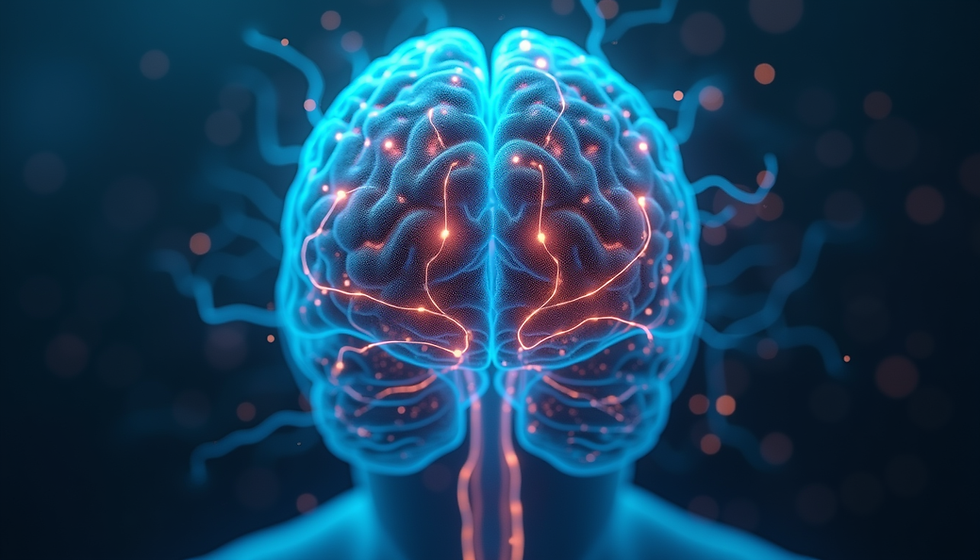
The brain and body are in constant communication. Signals move back and forth through the nervous system, shaping how children experience their environment. Physical sensations like a racing heart, shallow breathing, or muscle tension send messages to the brain about safety and threat. If the body signals danger, the brain shifts attention away from learning and toward protection.
This communication is managed by the nervous system. When it is balanced, children can stay present, curious, and flexible. When it is overwhelmed or underactive, attention, behavior, and memory are affected.
Stress Responses and Attention
Stress is not always harmful, but ongoing or intense stress can interfere with learning. When stress responses remain active, the body releases cortisol and adrenaline, which prioritize survival over thinking. These chemicals make it harder for the brain to focus, store new information, or retrieve memories.
Children under stress may appear distracted, restless, or disengaged—not because they are unwilling to learn, but because their nervous system is working overtime. Over time, this state can limit learning readiness and academic confidence.
Emotional States Shape Learning Access
Emotions directly influence how the brain processes information. Curiosity, interest, and joy support engagement and memory. Fear, frustration, and anxiety narrow attention and reduce cognitive flexibility. A child’s emotional state often determines whether learning feels accessible or overwhelming.
When children feel emotionally supported, they are more willing to try, make mistakes, and persist. Emotional regulation allows them to stay connected to learning even when tasks feel difficult.
Nervous System Regulation and Skill Development
Nervous system regulation supports more than calm behavior, it supports learning itself.
When children can regulate their internal state, they are better able to:
Sustain attention over time
Use working memory effectively
Pause before reacting and think through problems
These skills develop through repeated experiences of safety, support, and co-regulation with adults.
A Real-World Classroom Example
In trauma-informed classrooms studied by organizations such as the National Child Traumatic Stress Network, educators often integrate movement and regulation strategies into daily routines. One documented approach includes brief movement breaks and predictable transitions for students who show signs of stress. Teachers report improved focus, fewer behavioral disruptions, and increased engagement once students’ nervous systems are supported before academic demands are introduced.
Supporting the Whole Learning System
When adults understand the brain–body connection, they can respond differently to learning challenges. Instead of pushing harder, they pause to support regulation first. Small shifts, slowing down, adjusting the environment, or offering reassurance, can help the nervous system settle so learning can resume.
Learning Improves When the Body Feels Safe
Learning is not just a cognitive task; it is a whole-body experience. Attention, memory, and behavior all depend on how safe and regulated the nervous system feels. When children’s bodies are supported alongside their minds, learning becomes more accessible, sustainable, and meaningful.
By honoring the brain–body connection, parents and educators create environments where children are not just expected to learn, but are truly ready to.


Comments